Starting an online store is an exciting journey, but the logistics can feel overwhelming. You might have heard of dropshipping as a low-risk way to begin. At its heart is a process called dropshipping fulfillment. For a beginner, understanding this concept is the first and most important step to building a successful e-commerce business.
This guide will break down everything you need to know. We will explain what dropshipping fulfillment is, walk through its step-by-step process, discuss the different ways to handle it, and look at new challenges like the 2026 EU customs changes. By the end, you will have a clear roadmap to start your own venture.
What Is Dropshipping Fulfillment?
So, what is dropshipping fulfillment exactly? In simple terms, it is the process of getting an order from your online store to your customer’s doorstep. However, you don’t handle the products yourself.
Traditionally, a retailer buys inventory in bulk, stores it in a warehouse, and ships it out themselves. Dropshipping fulfillment is completely different. It is a fulfillment method where you, the seller, don’t keep the products you sell in stock . Instead, when a customer places an order on your site, you purchase the item from a third-party supplier. That supplier then ships the product directly to your customer.
This means you act as the storefront and marketer. Your supplier acts as the warehouse and shipping department. You never see or handle the physical products. This model is the core reason dropshipping has become so popular for new entrepreneurs.

Key Players in the Dropshipping Model
To fully grasp what dropshipping fulfillment is, you need to know the three main parties involved:
- The Manufacturer: This is the company that creates the product. They usually sell in bulk to suppliers, not directly to end consumers.
- The Dropshipping Supplier: This is your key partner. They buy products from manufacturers, store them, and are responsible for the warehouse fulfillment process—picking, packing, and shipping orders on your behalf.
- The Retailer (You): You are the face of the brand. Your job is to market and sell the products, manage your online store, and handle customer service.
How the Dropshipping Fulfillment Process Works
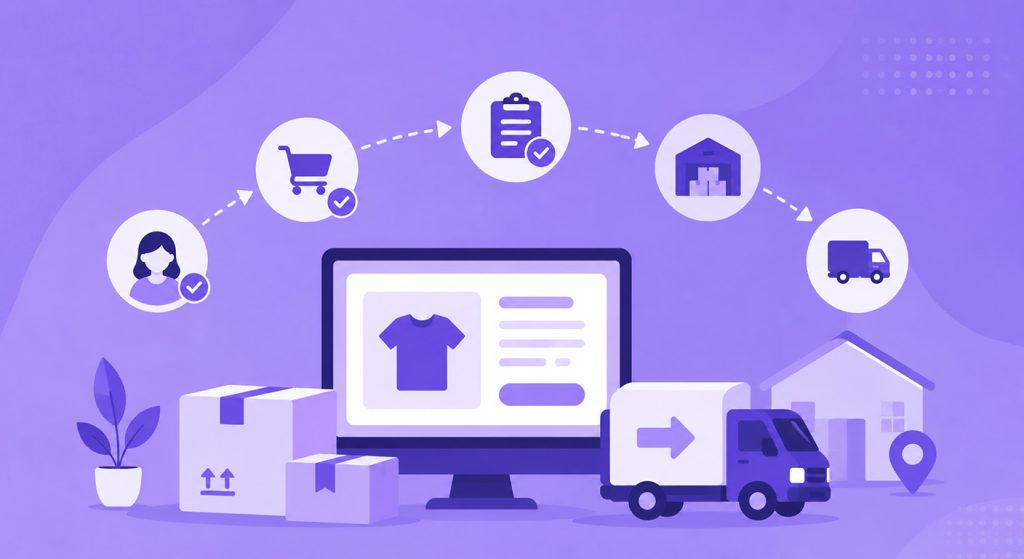
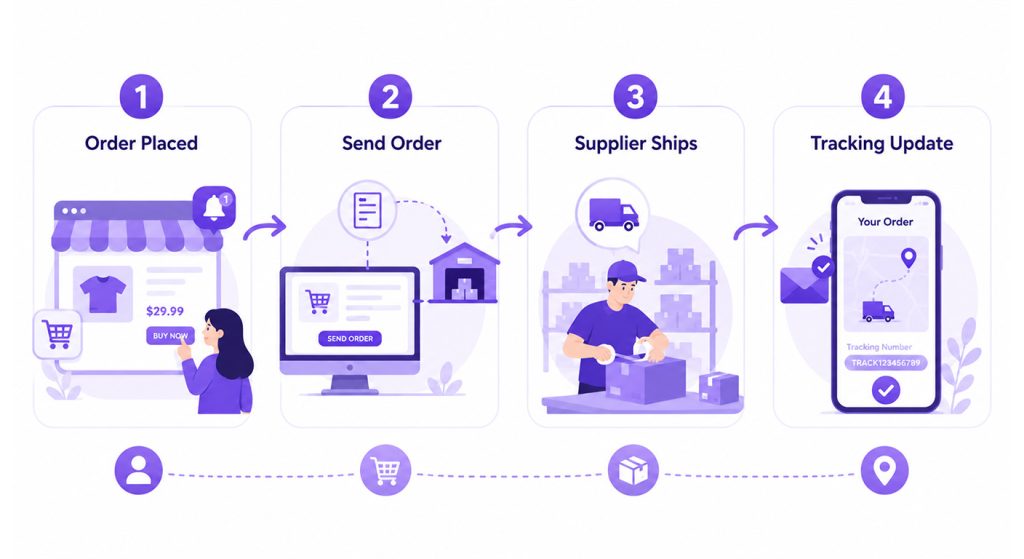
The process is straightforward and can be broken down into four simple steps . This is the standard workflow for dropshipping fulfillment.
- Customer Places an Order: A customer visits your online store, finds a product they like, and makes a purchase. Their payment is captured, and you receive a notification of the new order.
- You Forward the Order to Your Supplier: This is the critical step in dropshipping fulfillment. You send the customer’s order details and shipping address to your dropshipping supplier. This can be done manually, but most modern stores use automated software to forward the order instantly.
- Supplier Fulfills the Order: The supplier receives the order. They pick the product from their inventory, carefully pack it, and ship it directly to your customer. The package will often include your store’s branding on the packing slip, so the customer doesn’t know the product came from a third party.
- You Update the Customer: The supplier provides you with a tracking number. You then share this tracking information with your customer so they can monitor their delivery.
The Challenge of Fast Delivery and EU Regulations
The biggest challenge in dropshipping is often managing shipping times. Customers expect faster delivery, but many dropshippers source products from overseas, which can take weeks. This is where a service that offers advanced warehouse fulfillment becomes invaluable.
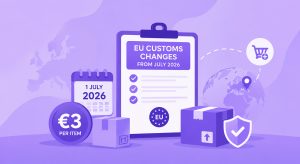
There is also a new and very important regulatory change happening in the European Union that every dropshipper needs to know about. Starting July 1, 2026, the EU will abolish the €150 customs duty exemption for low-value parcels imported from non-EU countries . Previously, packages valued under €150 could enter the EU duty-free.
Under the new rules, a flat €3 customs duty will be applied per tariff line (or product type) for parcels valued at €150 or less . This means if you ship a package containing two different types of products (e.g., a t-shirt and a pair of socks), you will be charged €3 for each (€6 total). This new cost will affect your profit margins and pricing strategy. It’s a crucial consideration for any international dropshipping business.
How We Can Help You Succeed
Navigating the world of dropshipping fulfillment can be complex, but you don’t have to do it alone. My company, Hui Sourcing, is dedicated to helping new entrepreneurs succeed with their dropshipping businesses.
We offer a comprehensive range of services, from free design assets to efficient logistics, all designed to help you build a memorable brand.
Elevate Your Brand with Free Design Services
Your brand identity is what sets you apart. We offer free design support to help you create a unique and professional look. Our services include:
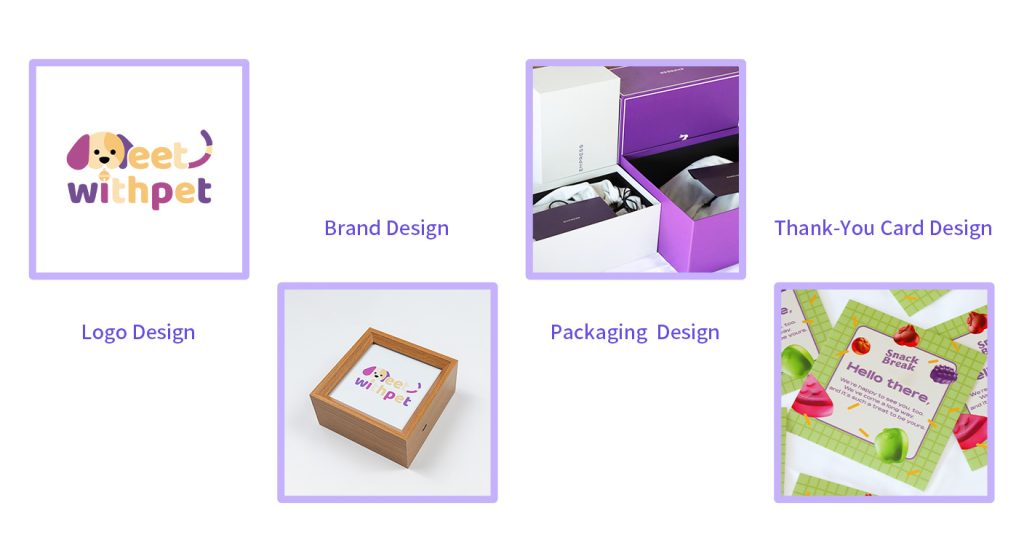
- Logo & Brand Identity Design: We help you create a unique logo that helps your store stand out.
- Packaging & Thank-You Card Designs: Elevate the unboxing experience with custom packaging and personalized cards.
- Professional Product Images & Videos: We provide ready-to-use, high-quality visuals for your listings and ads, so you don’t need to invest in expensive photoshoots.
Streamline Logistics with Warehouse Fulfillment & Faster Delivery
A successful dropshipping store hinges on reliable logistics. That’s why we also provide robust warehouse fulfillment solutions to ensure your customers are happy.
- End-to-End Order Fulfillment: We store your inventory, pick and pack orders, and manage the entire shipping process.
- Faster Delivery: We work with trusted logistics partners and optimize shipping routes to ensure faster delivery times for your customers. Every order comes with real-time tracking.
- Cost Negotiation: We can also help you negotiate better prices with suppliers on your behalf to improve your profit margins.
By partnering with us, you can focus on marketing and growing your brand while we handle the complexities of dropshipping fulfillment and logistics.
Conclusion
Understanding what dropshipping fulfillment is and how it works is the foundation of your online business. It’s a powerful model that removes the heavy lifting of inventory management, allowing you to focus on sales and marketing.
Now that you know the basics, you’re ready to take the next step. Remember, success hinges on choosing the right suppliers, mastering automated workflows, and staying ahead of changes like the new EU customs regulations. And for all the support you need—from branding to logistics—Hui Sourcing is here to help. Get started today and build a dropshipping business you can be proud of.
General FAQs About Dropshipping Fulfillment
1. Q: Can I use multiple suppliers for different products in my store?
A: Yes, you can absolutely work with multiple suppliers. This is a common strategy to offer a wider product range. However, keep in mind that managing multiple suppliers means coordinating different shipping times, tracking systems, and fulfillment processes. It’s wise to start with one or two reliable suppliers and expand gradually as you become more organized.
2. Q: Who is responsible if a product is damaged during shipping?
A: Generally, the supplier is responsible for the product until it reaches the customer. However, policies vary. Some suppliers offer shipping insurance or will resend a replacement for damaged items. Others may not take responsibility. Before partnering with a supplier, it’s critical to check their policy on returns, refunds, and damages to avoid unpleasant surprises.
3. Q: Is dropshipping still profitable given the high competition?
A: Yes, but it requires more effort than before. Profit margins can be thin, so success now comes from:
- Niche selection: Selling to a specific, passionate audience instead of being a general store.
- Branding: Building a strong, memorable brand with good packaging and customer experience.
- Value-added services: Offering faster shipping, better customer support, or free design assets that differentiate you from competitors.
- Smart sourcing: Finding reliable suppliers with good quality and negotiating better wholesale prices.