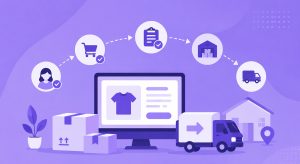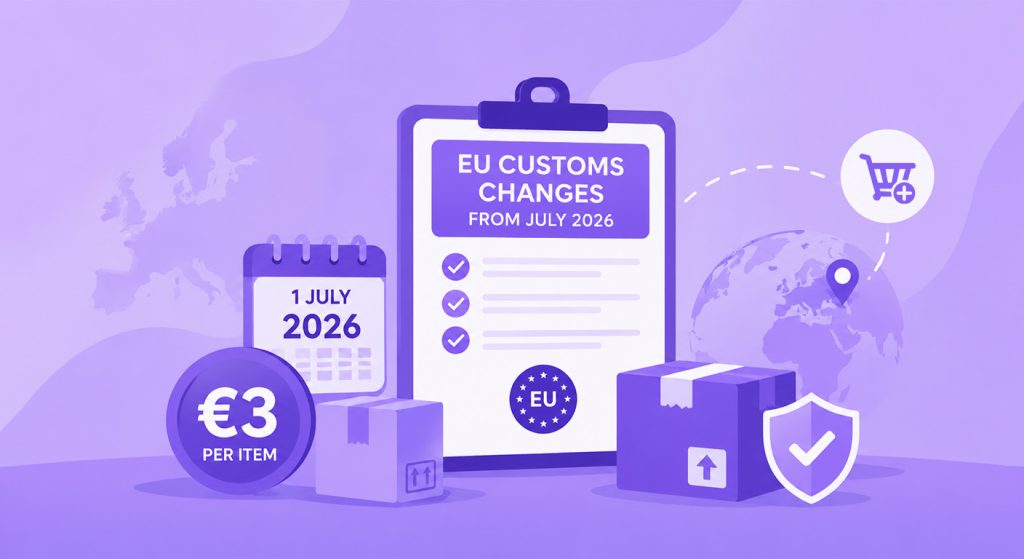
Starting July 1, 2026, major EU Customs rules will shift for low-value imports. This change directly affects many Dropshipping Sellers who ship from China or other non-EU countries to European buyers. The new policy ends the long-standing €150 customs duty exemption. Instead, a flat €3 duty per item applies to most parcels valued under €150.
This guide explains the updates simply. It covers what Dropshipping Sellers need to know, potential impacts, and practical steps to stay profitable.
What Are the EU Customs Duty Changes from July 2026?
Previously, goods worth €150 or less entered the EU without customs duties. Only VAT applied in many cases. From July 2026, this exemption disappears for commercial shipments.
The EU introduces a temporary €3 customs duty per item (or per tariff line/HS code) on low-value consignments. This flat fee lasts until July 2028, when a fuller system takes over.
Key points of the reform:
- Applies to parcels with intrinsic value up to €150.
- Duty is €3 per distinct item type (based on HS code and origin).
- Collected by carriers and passed to buyers or sellers depending on setup.
- VAT rules via IOSS remain important for simplified collection.
- Aims to level the playing field and reduce misuse of low-value imports.
For example, a single t-shirt order valued at €20 now incurs the €3 duty. If a parcel contains two different items (different HS codes), the duty could double to €6.
Why Is the EU Making These EU Customs Changes?
The EU wants fairer competition. Low-value e-commerce from outside the bloc grew rapidly. Many small parcels avoided duties, creating imbalances with local sellers. The reform supports broader customs modernization while maintaining smooth trade.
Dropshipping Sellers benefit from understanding this context. The change is not a full tariff hike but a small fixed fee designed for simplicity during the transition.
How Will These Changes Affect Dropshipping Sellers?
Dropshipping Sellers relying on direct shipping to EU customers will see several effects:
- Slight cost increase per order. The €3 duty adds to landed costs. For low-margin items, this can reduce profit or require price adjustments.
- Customer experience impact. Buyers might face higher final prices or unexpected fees at delivery, leading to cart abandonment.
- Clearance delays. More formal declarations could slow delivery times slightly if not handled well.
- Competitive pressure. Sellers who adapt quickly gain an edge over those who ignore the rules.
Consider a typical case: A dropshipper sells phone cases at €15 each. Pre-2026, the buyer paid mainly VAT. Post-July 2026, an extra €3 duty applies. Without adjustment, margins shrink by 20% on that item.
High-volume Dropshipping Sellers may notice bigger effects on overall profitability. However, the fixed €3 is predictable and often lower than standard ad valorem duties.
Practical Strategies for Dropshipping Sellers to Adapt
Smart Dropshipping Sellers can turn this challenge into an opportunity. Here are actionable tips:
- Extend lead times proactively. Inform customers about potential 2-5 day extra clearance time. Update product pages and order confirmations clearly.
- Adjust pricing and advertising strategies. Test small price increases (e.g., €1-2) on EU-targeted ads. Focus Facebook or Google campaigns on value messaging, like “Fast EU Shipping with Transparent Fees.”
- Optimize product selection. Prioritize higher-margin or higher-value items (€50+) where the €3 duty has less relative impact. Bundle products carefully to minimize multiple HS code lines.
- Review supplier agreements. Negotiate better wholesale prices or faster fulfillment options to offset the new duty.
- Improve packaging and documentation. Accurate HS codes and clear invoices speed up clearance and reduce errors.
Dropshipping Sellers should also monitor carrier partnerships. Many now offer pre-paid duty options or dedicated EU routes.
Long-Term Preparation Beyond July 2026
The temporary €3 duty is just the start. By 2028, standard tariffs based on product type will apply more fully. Forward-thinking Dropshipping Sellers should:
- Diversify product lines to include items with lower or zero duties where possible.
- Track performance data closely after the change launches. Adjust ad budgets toward best-performing EU countries.
- Stay informed via official EU customs resources and reliable logistics partners.
These steps help maintain growth while scaling into Europe.
How Huisourcing Supports Dropshipping Sellers in the New EU Customs Landscape
Navigating EU Customs changes becomes easier with the right partner. Huisourcing helps Dropshipping Sellers adapt effectively.
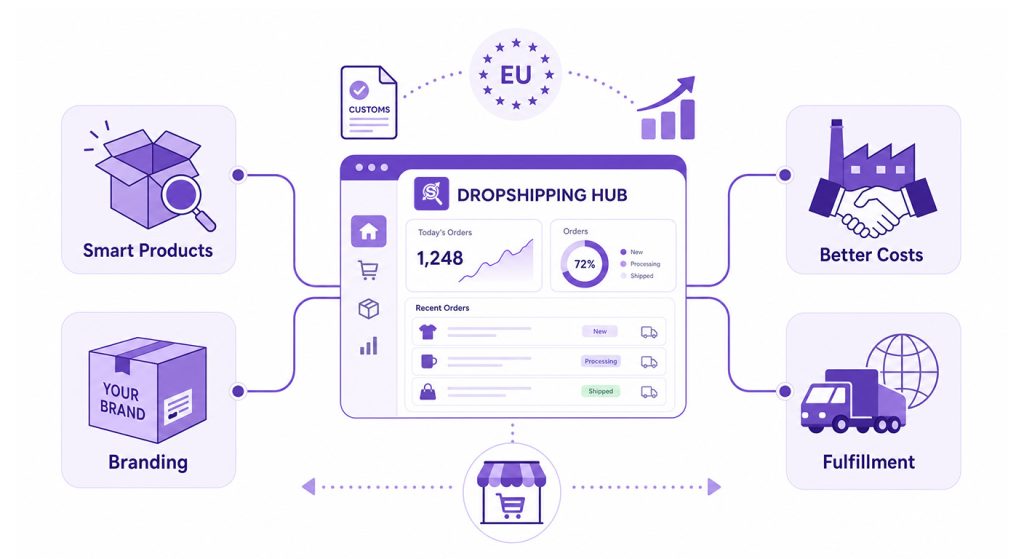
Our team assists with smart product selection. We identify items that balance demand, margins, and duty impact. Custom packaging options make your brand stand out and can improve perceived value, helping justify minor price adjustments.
We also negotiate better terms with suppliers on your behalf. This lowers base costs to counter the new €3 duty. Combined with reliable fulfillment, these services strengthen your competitiveness in the EU market.
Dropshipping Sellers partnering with us report smoother operations and better margins even after regulatory shifts. Contact our team today to prepare your store for July 2026 and beyond.
By understanding the changes and acting early, Dropshipping Sellers can continue thriving in Europe. The €3 duty is manageable with the right strategies. Focus on transparency, optimization, and strong supplier relationships for long-term success.
FAQs
When will the EU customs duty changes take effect?
The new rules start from 1 July 2026. A temporary €3 flat customs duty will apply to most low-value imported goods up to €150. This measure is expected to last until July 2028.
How does the 2026 EU customs reform impact drop shipping sellers?
Drop shipping sellers may experience higher landed costs, minor delivery delays, and the need to adjust pricing. The €3 duty is predictable but can reduce margins on low-value items if not managed well.
What should drop shipping sellers prepare before July 2026?
Dropshipping sellers should review product margins, update shipping timelines on product pages, and consider small price adjustments. Clear communication with customers about possible import fees is also recommended.
Can drop shipping sellers avoid the new EU customs duty?
It is difficult to completely avoid the duty. However, sellers can reduce its impact by selecting higher-margin products, bundling items wisely, and improving sourcing efficiency.
How can drop shipping sellers maintain profitability under the new rules?
Focus on extending lead times, optimizing advertising strategies, and prioritizing products less affected by the flat €3 duty. Accurate documentation and reliable logistics partners also help speed up clearance.
What role does custom packaging play after the EU customs changes?
Custom packaging can increase perceived value, support slight price increases, and strengthen your brand image, helping offset the new duty and improve competitiveness in the European market.
How can Huisourcing assist drop shipping sellers with these changes?
Huisourcing supports drop shipping sellers by recommending suitable products, negotiating better supplier prices, providing custom packaging solutions, and offering efficient fulfillment options for EU orders.
Is it still worthwhile to sell to the EU market after July 2026?
Yes, the European market remains highly attractive. With proper planning and the right strategies, dropshipping sellers can continue growing successfully despite the temporary €3 customs duty.