Starting a dropshipping business has never been more accessible. With the right strategy, tools, and partners, you can launch a profitable online store without holding any inventory. This guide will walk you through everything you need to know about building a successful dropshipping store.
What Is Dropshipping?
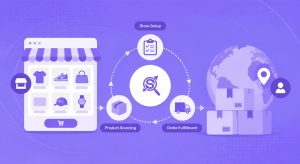
Dropshipping is a retail fulfillment model where you sell products directly to customers without keeping them in stock. When a customer places an order, you purchase the item from a third-party supplier who ships it directly to them. You never see or handle the product yourself.
This model offers three major advantages:
- Low upfront investment – No need to buy inventory in bulk
- Low risk – You only pay for products after customers pay you
- Location independence – Run your business from anywhere with an internet connection
Step 1: Choose Your Niche
The first step is selecting a profitable niche. Avoid oversaturated markets like phone cases or generic apparel. Instead, look for niches with passionate audiences and room for differentiation.
Profitable niche examples for 2026:
- Home office accessories
- Pet products
- Eco-friendly goods
- Fitness equipment
- Smart home devices
A focused niche makes marketing easier and helps you build a recognizable brand.
Step 2: Find Reliable Suppliers
Your supplier determines your success more than any other factor. A bad supplier means late shipments, poor quality products, and unhappy customers.
What to look for in a supplier:
- Fast shipping times (7-14 days max)
- Consistent product quality
- Responsive customer support
- Real-time inventory tracking
- Private labeling options
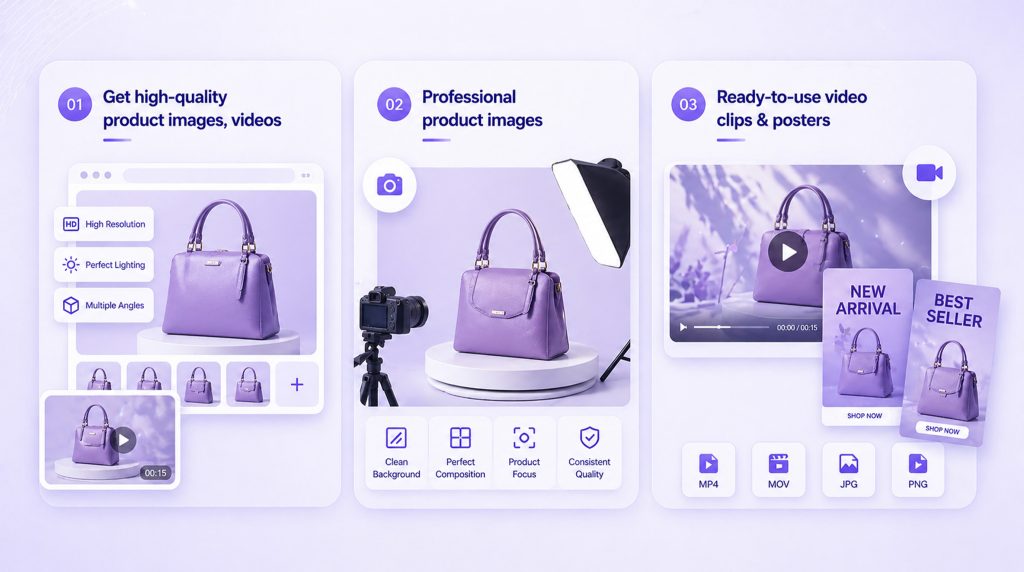
Platforms like UploadToSell connect you with vetted suppliers who offer all-in-one fulfillment services including product sourcing, photography, custom packaging, and even accounting support.
Step 3: Build Your Store
Your website needs to look professional and trustworthy. First-time visitors decide within seconds whether to trust your store.
Essential elements of a high-converting store:
- Clean, mobile-friendly design
- High-quality product images and videos
- Detailed product descriptions
- Clear shipping and return policies
- Customer reviews and testimonials
- Trust badges and security seals
Shopify is the most popular platform for dropshipping because of its ease of use, reliable hosting, and extensive app ecosystem.
Step 4: Source Winning Products
Not all products are created equal. The difference between a profitable store and a failing one often comes down to product selection.
How to identify winning products:
- Solves a specific problem
- Has a “wow” factor that encourages sharing
- Sells for 25−100 (healthy profit margins)
- Lightweight and small (lower shipping costs)
- Not easily found in local stores
Tools like AI-powered product research can analyze market demand, track trending items on TikTok and Instagram, and show you real sales data before you commit.
Step 5: Drive Traffic to Your Store
With your store built and products selected, it’s time to attract customers.
Effective marketing channels for dropshipping:
Paid Advertising – Facebook, Instagram, and TikTok ads offer precise targeting. Start with small budgets of $10-20 per day and scale what works.
Organic Social Media – Create unboxing videos, product demonstrations, and behind-the-scenes content. TikTok’s algorithm rewards creativity over production value.
Influencer Marketing – Send free products to micro-influencers in your niche. They often charge $50-200 per post and deliver engaged audiences.
Email Marketing – Build your list from day one. Offer a 10% discount in exchange for email addresses. Send abandoned cart reminders and post-purchase follow-ups.
Step 6: Optimize for Conversions
Driving traffic is only half the battle. You need to convert that traffic into paying customers.
Conversion optimization tips:
- Use exit-intent popups with discount offers
- Add urgency with countdown timers or low-stock alerts
- Display recent sales notifications
- Offer free shipping thresholds
- Simplify checkout process
Common Mistakes to Avoid
Choosing cheap products only – Low-priced items leave tiny margins after marketing costs. Focus on products priced between $30-100.
Ignoring mobile users – Over 70% of dropshipping traffic comes from mobile devices. Test everything on phones first.
Poor customer service – Slow responses kill repeat business. Respond to inquiries within 4 hours.
Not tracking finances – Most dropshippers struggle with messy finances. Use integrated accounting tools to track every dollar.
Conclusion
Dropshipping offers a legitimate path to online business ownership with minimal upfront investment. Success requires choosing reliable partners, selecting winning products, marketing effectively, and continuously optimizing your operations.
Start small, test products thoroughly, scale winners aggressively, and drop losers quickly. With patience and persistence, you can build a profitable dropshipping store that generates passive income for years to come.
Ready to start your dropshipping journey? Begin by researching your niche and finding reliable suppliers today.