Many new ecommerce dreamers hesitate to start an online business. They fear high startup costs, inventory pressure, and warehouse management troubles. A reliable dropshipping system solves all these pain points perfectly. It lets sellers run a profitable online store with zero inventory, low risk, and flexible operation. This beginner-friendly guide will walk you through every step to build a complete, money-making dropshipping system. You will get practical tips to avoid common mistakes and stabilize your store revenue in 2026.
What Is a Dropshipping System and How Does It Work?
Before you start building your business, you need to understand the core definition of a dropshipping system. Simply put, it is a complete business operation framework that covers product selection, supplier docking, order fulfillment, and brand operation. Unlike traditional retail models, this system requires no inventory stocking or manual shipping work.
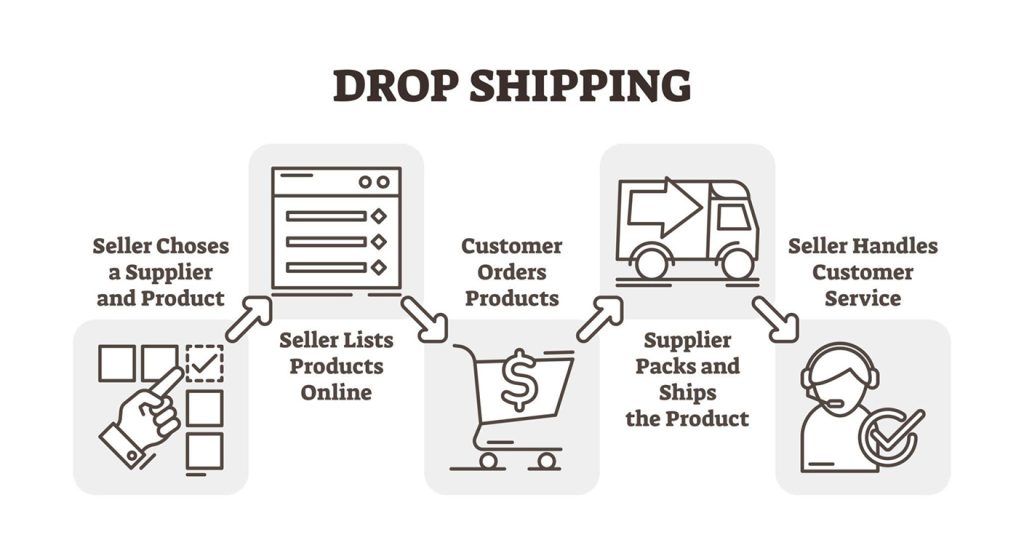
The working logic of a standard dropshipping system is simple and efficient. First, you select trending products and display them on your online store. Second, customers place orders and pay on your site. Third, you forward the order information to your supplier or sourcing platform. Finally, the supplier packs and ships products directly to your customers. You keep the price difference as pure profit throughout the process.
This lightweight business model is why more new sellers choose dropshipping. It eliminates the biggest startup barriers of traditional ecommerce. You do not need to rent warehouses, stock goods, or handle after-sales logistics troubles personally.
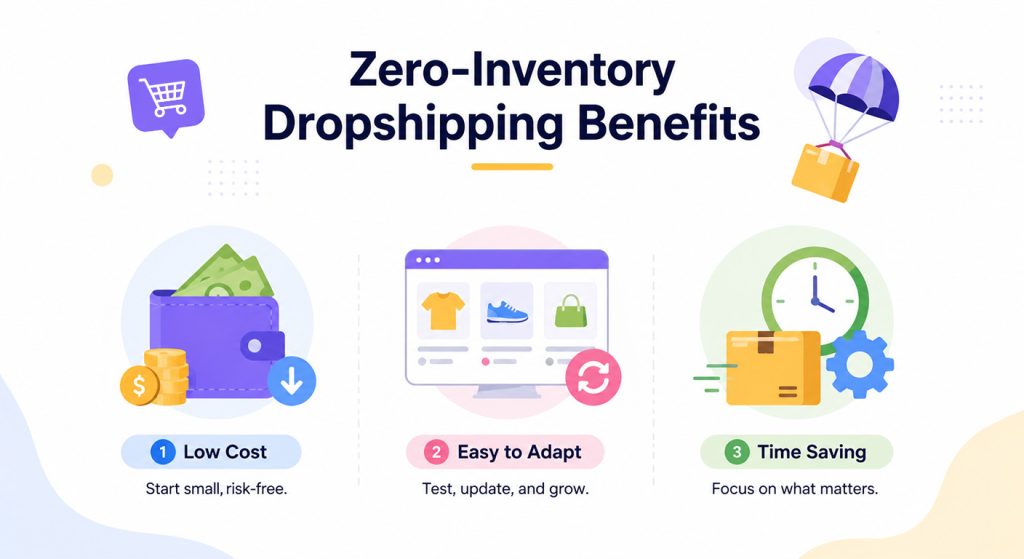
Key Benefits of a Zero-Inventory Dropshipping System for Beginners
A well-built dropshipping system brings unique advantages for new ecommerce sellers. These benefits make it the most suitable business model for beginners with limited budget and experience.
1. Ultra-Low Startup and Operating Costs
Traditional stores need thousands of dollars for inventory and warehouse rent. A zero-inventory dropshipping system removes these huge upfront expenses. You only need to spend on simple store setup and basic marketing. This greatly reduces your financial risk. Even if you test new product niches, you will not face inventory overstock losses.
2. Flexible Product Testing and Updating
Market demand changes fast, especially for cross-border ecommerce. The dropshipping system supports flexible product iteration. You can add trending items, eliminate low-sales products, and adjust your store catalog at any time. You do not need to worry about unsold inventory dragging down your profits. This helps you always follow market trends and capture new sales opportunities.
3. Simplified Operation and Time Saving
Most tedious work is handled by professional suppliers and sourcing platforms in the dropshipping system. Product packaging, logistics delivery, and basic after-sales processing are all completed by third parties. You can save plenty of time and focus on core work like store optimization, traffic acquisition, and customer conversion.
Step-by-Step to Build a Profitable Dropshipping System
Building a stable and profitable dropshipping system does not require professional technical skills. Follow these clear steps, and you can launch your zero-inventory business quickly.
Step 1: Choose a Target and Profitable Niche
Niche selection determines your long-term profitability. Many beginners fail because they choose overly broad or overly competitive industries. You need to pick a segmented niche with stable demand and moderate competition.
Focus on daily consumer goods, small home appliances, pet supplies, and beauty accessories. These categories have continuous market demand and low after-sales rates. You can use Google Trends and platform sales data to verify product popularity. Avoid saturated industries with fierce price wars.
Step 2: Select Verified and Reliable Suppliers
Suppliers are the core support of your dropshipping system. Unreliable suppliers will cause delayed shipping, poor product quality, and frequent customer complaints. These problems will ruin your store reputation quickly.
When screening suppliers, check three key indicators. First, confirm stable inventory supply to avoid out-of-stock issues. Second, verify fast fulfillment speed, preferably 24-hour order processing. Third, check product quality consistency and positive after-sales feedback. Professional sourcing platforms can help you filter verified high-quality suppliers efficiently.
Step 3: Build and Optimize Your Online Store
Your store is the front end of the dropshipping system. A clean and professional store layout improves customer trust and conversion rate. Choose simple and mobile-friendly store themes. Optimize product titles, descriptions, and images to match search rules.
Do not copy generic product content directly. Modify product details to highlight your store advantages. Add clear shipping rules and after-sales policies on the homepage. This reduces customer doubts and improves order completion rates.
Step 4: Set Reasonable Pricing and Profit Margins
Reasonable pricing is the key to sustainable profits in your dropshipping system. Many beginners set prices too low and lose profit space. Or they set prices too high and lose customer traffic.
Calculate your total cost clearly, including product cost, shipping fee, and marketing expense. Keep a 30% to 50% profit margin for each product. For trending bestsellers, you can adjust prices slightly to gain competitive advantages. For niche products, maintain a higher profit margin to ensure stable income.
Step 5: Launch Marketing and Stable Traffic Operation
A complete dropshipping system cannot lack effective marketing. Even with high-quality products, you cannot get orders without traffic. Beginners can start with low-cost marketing channels.
Use social media platforms like Instagram, TikTok, and Facebook to post product videos and usage cases. You can also launch low-budget targeted ads to acquire precise customers. Focus on one or two channels at first. Do not spread your energy too widely. Optimize your marketing strategy according to real-time data.
Step 6: Track Data and Optimize the System Continuously
Excellent dropshipping operation relies on data optimization, not blind trial. You need to track core data of your dropshipping system regularly. Focus on product click rate, conversion rate, customer bounce rate, and order refund rate.
Remove products with low conversion and high refund rates in time. Optimize product pages with high bounce rates. Adjust marketing plans for low-traffic periods. Continuous small optimizations will bring steady profit growth for your store.
Common Beginner Mistakes to Avoid in Dropshipping System Operation
Most new sellers fail not because of the model itself, but because of wrong operation methods. Avoid these typical mistakes to shorten your profit cycle.
1. Blindly Pursuing Too Many Product Categories
Some beginners add hundreds of products to the store at once. They hope to cover more customer groups. However, a scattered product catalog makes your store lack positioning. It also increases the difficulty of later operation and optimization. Focus on 1 to 2 niche categories in the early stage to accumulate precise customers.
2. Cooperating with Unverified Small Suppliers
To save costs, many new sellers choose unknown low-price suppliers. This will lead to unstable product quality and delayed logistics. Bad customer reviews will reduce your store weight. Always choose verified suppliers with stable service in your dropshipping system.
3. Ignoring Brand Building and Personalization
Many dropshipping stores sell identical generic products. They face fierce price competition. If you want long-term profits, you need to add personalized brand elements. Custom packaging, exclusive product images, and brand logos can help you stand out from competitors.
Final Thoughts & Best Tool Recommendation

Building a profitable dropshipping system without inventory is the best choice for new ecommerce entrepreneurs in 2026. It features low risk, flexible operation, and unlimited growth space. As long as you follow standardized steps, avoid common mistakes, and optimize continuously, you can build a stable profitable online business with zero inventory pressure.
If you want to build a more efficient and professional dropshipping system, Huisourcing is your ideal one-stop solution. We provide AI-powered product research to screen weekly trending bestsellers with high sales and high profits. Our platform connects you with fully verified reliable suppliers to avoid quality and logistics risks.
Besides core sourcing services, we offer free design support, custom packaging solutions, and professional marketing materials. Our team handles order processing, packaging, and global logistics fulfillment. You only need to select products and operate your store. Start your zero-inventory dropshipping business with Huisourcing today and grow your ecommerce business with steady profits!